Relocating for a new role is exciting, but picking the right home and an easy commute can feel like a lot to juggle. If Montgomery is on your list, you’re already looking in a close‑in suburb with strong amenities and efficient access to major job centers. In this guide, you’ll learn what homes typically cost, how far you’ll drive to common workplaces, and how to use your relocation benefits to settle in smoothly. Let’s dive in.
Why Montgomery works for commuters
Montgomery sits in Cincinnati’s inner northeast corridor with quick access to I‑71, I‑275 and Ronald Reagan Cross‑County Highway. That network makes drives to downtown, Blue Ash, Kenwood and the Uptown medical/university area straightforward. Census estimates show a mean commute of about 21.4 minutes for Montgomery residents, which points to generally manageable drive times. You can explore baseline demographics, income and housing context in the Census data for Montgomery.
The city also includes a preserved Heritage District with a small‑town core and nearby mixed‑use at Montgomery Quarter. For families who weigh schools in a move, Montgomery is served by the Sycamore Community School District, which earns high regional marks per Niche’s district profile. Always confirm school options and boundaries directly with the district.
Housing snapshot: prices and options
What homes cost right now
Expect Montgomery home prices to sit above the regional average. Different sources measure different things, so it helps to view a band instead of one number:
- Redfin (Jan 2026, median sold price): about $540,000.
- Zillow ZHVI (typical value index, Jan 2026): about $651,000.
- Realtor.com (median list price, Jan 2026): around $797,000.
- ACS owner‑occupied median value (multi‑year baseline): about $545,100, per the Montgomery ACS profile.
Because each vendor tracks something a bit different, a practical working range for many buyers is roughly the low $500s to upper $700s, with outliers above and below based on size, updates, and location. When you’re getting serious, it’s smart to look at very recent sales in your micro‑area to set expectations.
What you’ll find on the ground
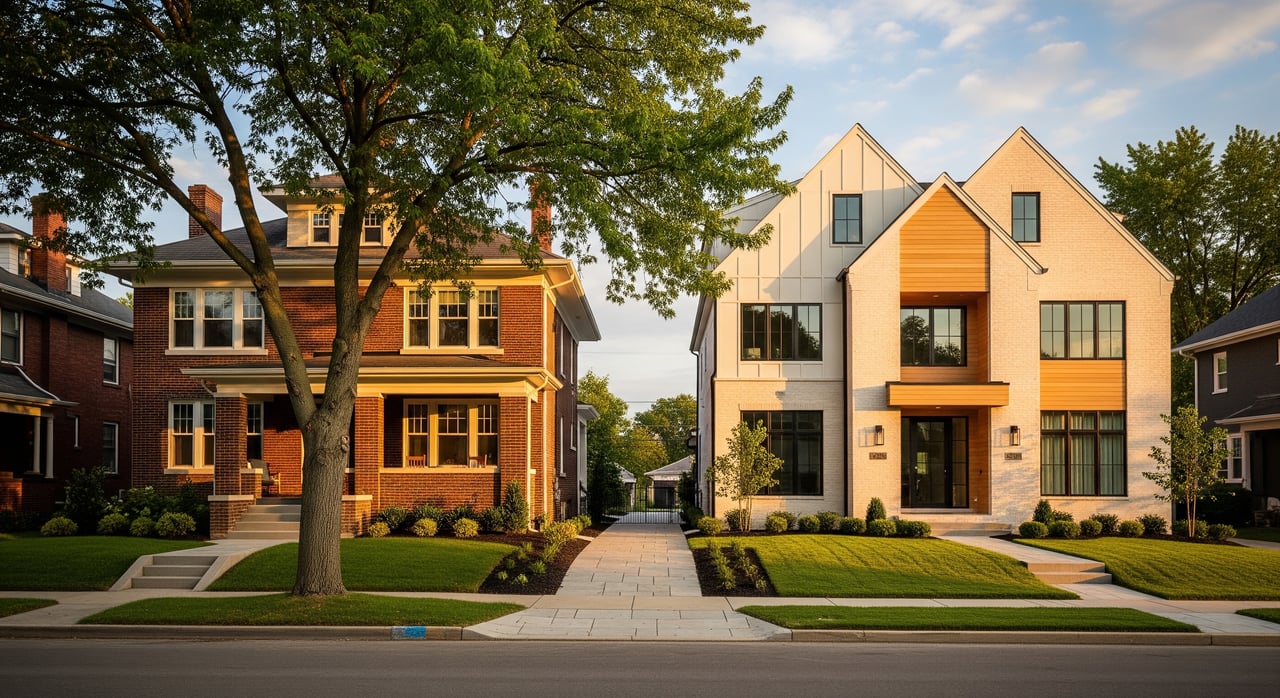
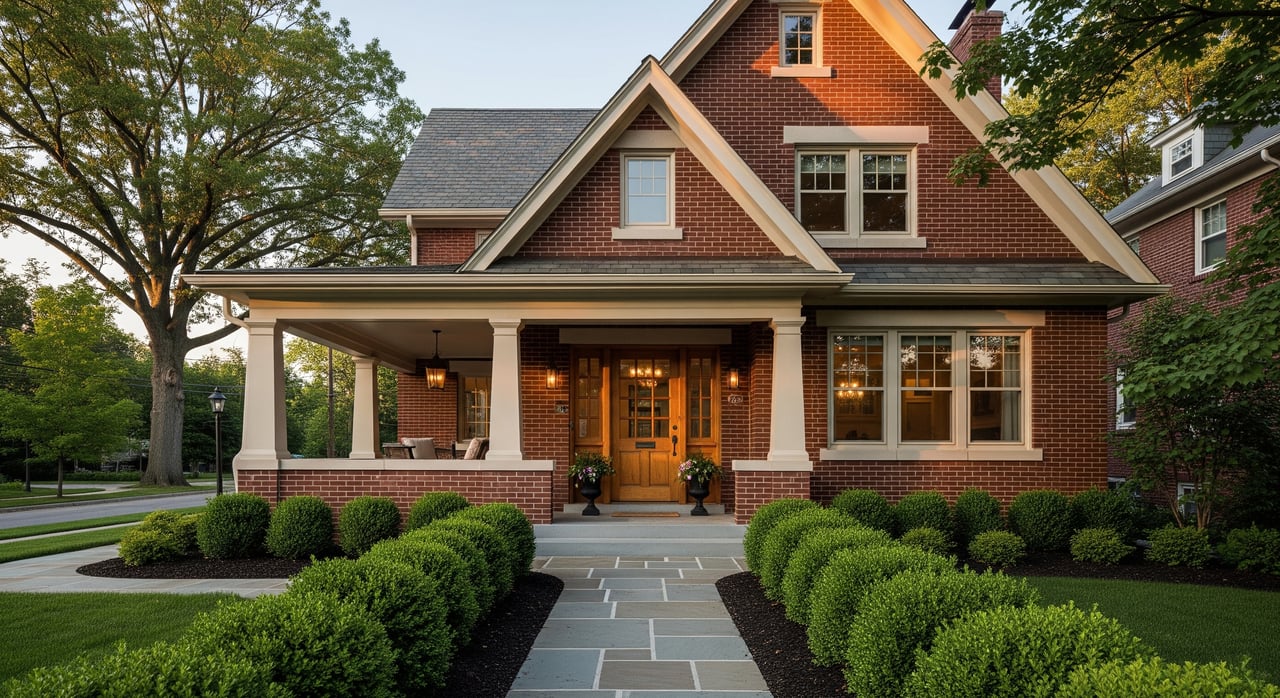
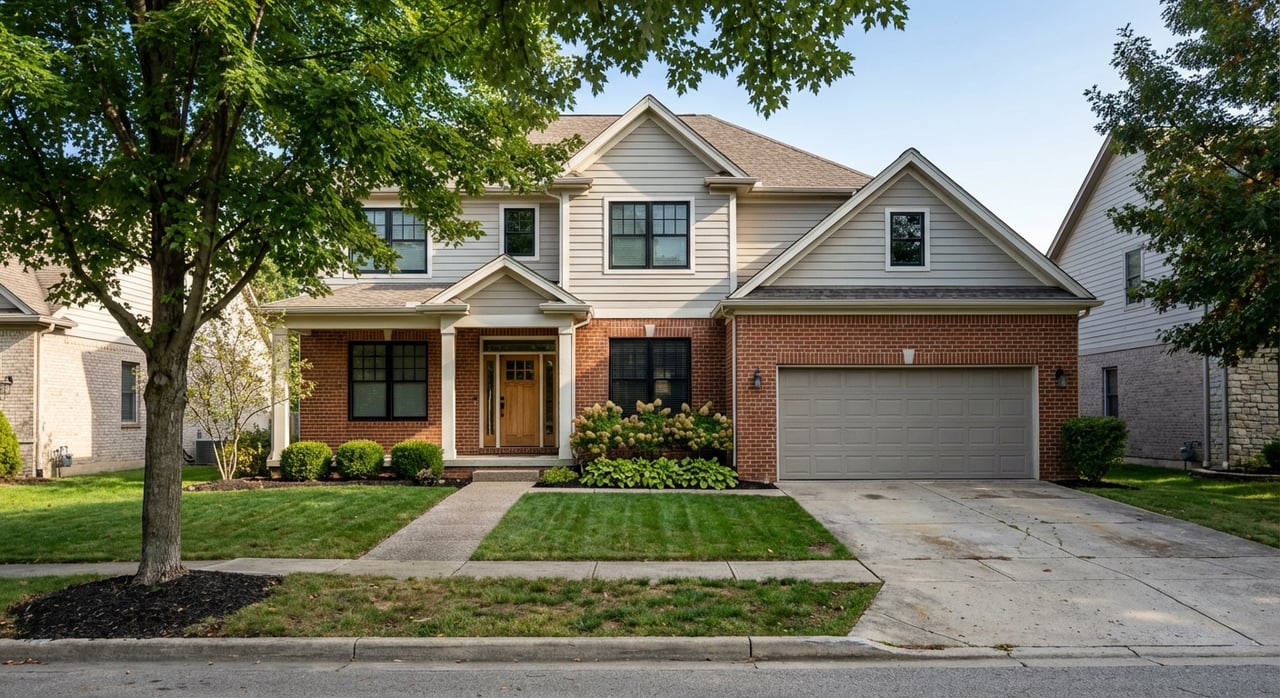
You’ll see a mix of classic Colonials, Tudors and mid‑century ranch homes on established lots, plus newer townhomes and condos clustered near Montgomery Quarter. The Heritage District offers a walkable core with restaurants and services. Neighborhood names you may see in listings include Montgomery Heights, Tanager Woods, Jolain Acres, Montgomery Meadows East and Montgomery Village.
Inventory and rentals
Montgomery is a small city, so for‑sale inventory can be tight in any single month. Rental options are also limited compared with larger suburbs. Area guides show one‑bedroom apartments averaging near $1,900 as of early 2026. If you plan to rent first, start early and consider short‑term corporate housing if your employer provides it. For a quick feel on averages, scan the Montgomery local rental guide.
Property taxes and ongoing costs
Property taxes in Hamilton County reflect a mix of county, school, city and other levies. Effective rates often fall around the mid‑1% to just over 2% range, but the exact bill depends on the specific parcel. Review current levy schedules and example bills on the Hamilton County Auditor’s tax page and factor utilities, insurance and maintenance into your monthly budget.
Commute made simple
Drive times at a glance
Most Montgomery residents drive to work, and the mean commute is about 21.4 minutes, per the ACS profile for Montgomery. With access to I‑71, I‑275 and SR‑126, you can typically reach:
- Downtown Cincinnati: about 20 to 30 minutes off‑peak; longer during rush hour.
- Blue Ash and Kenwood employers: about 10 to 20 minutes, depending on the exact site.
- Uptown/medical and university area: roughly 20 to 35 minutes depending on time of day.
For a sense of the regional network serving Montgomery, see this overview of inner‑ring suburbs and corridors. Always test your specific route during peak hours and add 10 to 20 minutes for rush‑hour buffers.
Bus and park‑and‑ride options
Cincinnati Metro’s Route 4 runs along Montgomery Road between Blue Ash/UC‑Blue Ash and Downtown. Express options like 3X serve parts of the corridor near Bethesda North. Bus trips can take significantly longer than driving, so if you plan to rely on transit, test your route at peak times and look at park‑and‑ride options. Check schedules on the Metro Route 4 page.
Airport access
Cincinnati/Northern Kentucky International Airport (CVG) is usually a 20 to 30 minute drive from Montgomery depending on time of day and route. If you travel often, the highway access here is a plus.
Using a relocation package to your advantage
What employers often cover
Modern relocation benefits often include one or two home‑finding trips, temporary housing, moving and transportation, mortgage or closing cost help, and sometimes home‑sale assistance or bridge solutions. If your company uses a relocation management company (RMC) like Cartus domestic relocation services, you may also have access to preferred lenders and tax guidance.
Timelines to expect
- Selling a departure home commonly takes about 60 to 90 days from list to close in normal conditions.
- Once under contract in Ohio, financed purchases often close in about 30 to 45 days, and cash can be faster.
- If you cannot attend closing, Ohio allows Remote Online Notarization (RON) under state rules. Ask your title company about requirements and see the Ohio RON overview for general guidance.
Smart policy asks before you move
If you’re relocating to a market with limited inventory and higher prices, consider asking HR for:
- A second home‑finding trip or the ability to extend your first trip.
- 30 to 60 days of temporary housing with an extension clause.
- Home‑sale assistance, a guaranteed buyout, or a bridge solution if timing is tight.
- Access to preferred local lenders who know Cincinnati appraisals.
- A gross‑up or tax counseling if benefits are taxable. For cost tradeoffs between extra house‑hunting days and temporary housing, share this UrbanBound comparison with HR.
How to run an out‑of‑town home search
Step 1: Pre‑move scoping (2 to 6 weeks out)
Get pre‑approved with a relocation‑savvy lender so you can write a strong offer fast. Ask HR for your relocation policy in writing and confirm what’s covered. Build a shortlist of neighborhoods that fit your commute, budget and lifestyle, plus one or two backup areas where inventory runs deeper.
Step 2: Remote preview (1 to 2 weeks out)
Have your agent arrange 3D tours or live video walkthroughs for your top list. Request quick neighborhood drive‑bys on video so you can assess streets, traffic flow and proximity to services before your in‑person trip.
Step 3: On‑site house‑hunting trip (2 to 5 days)
Cluster showings by geography to maximize time. Pre‑book inspection slots for top contenders if the schedule allows. Be prepared with earnest money and talk through offer strategies like escalation clauses if competition is likely.
Step 4: Contract to close
Line up insurance and appraisal early, and confirm whether your title team can support remote or hybrid closing if you need it. Expect a financed timeline of roughly 30 to 45 days and plan your temporary housing window accordingly.
Step 5: If you plan to rent first
Start early. Montgomery’s rental pool is small, and furnished options can be limited. If your employer covers temporary housing, ask for a modest extension or corporate housing placement. Use the local rental guide to gauge availability and price.
How Montgomery compares nearby
- Blue Ash/Kenwood: Closer to many office parks and regional shopping. Pricing can trend somewhat lower than Montgomery on average, and commute times to Blue Ash employers can be shorter.
- Indian Hill: A much higher‑priced, estate‑style market focused on privacy and larger lots.
- Madeira/Mariemont: Compact, walkable village centers and strong schools; often smaller lots than Indian Hill and a different feel than Montgomery’s blend of village core plus suburban lots.
Use these comparisons to refine your shortlist if inventory in your price band is tight.
Your next steps
If you’re moving for work, you do not need to navigate this alone. A clear plan, data‑based pricing, and tight logistics can save weeks of stress. If you want neighborhood‑level insight, a fast search plan, and end‑to‑end coordination, reach out to David Hirschman to get started.
FAQs
What are typical Montgomery home prices in 2026?
- Depending on the data source and date, expect a working range from the low $500s to upper $700s, with outliers for size, updates and location; always check very recent sales in your target micro‑area.
How long is the commute from Montgomery to downtown Cincinnati?
- Off‑peak, many drivers see about 20 to 30 minutes; during rush hour add 10 to 20 minutes; the ACS mean commute for residents is about 21.4 minutes.
Is public transit practical for daily commuting from Montgomery?
- It is possible using Metro Route 4 and some express options, but trips often take significantly longer than driving; test your exact route at peak times.
Are rentals easy to find in Montgomery if I want to rent first?
- Rental supply is limited and furnished options can be scarce; start early and consider employer‑supported temporary or corporate housing while you search.
What relocation benefits should I ask for if moving to Montgomery?
- Ask for at least one extended home‑finding trip, 30 to 60 days of temporary housing, and help with home‑sale or bridge solutions; also request a preferred local lender referral and tax guidance if benefits are taxable.