Torn between the charm of an older home and the ease of a new build in Madisonville? You’re not alone. This Cincinnati neighborhood blends historic streets with modern infill, which gives you real choices but also tough trade-offs. In this guide, you’ll learn how costs, lifestyle, energy use, and resale stack up so you can choose with confidence. Let’s dive in.
Madisonville housing at a glance
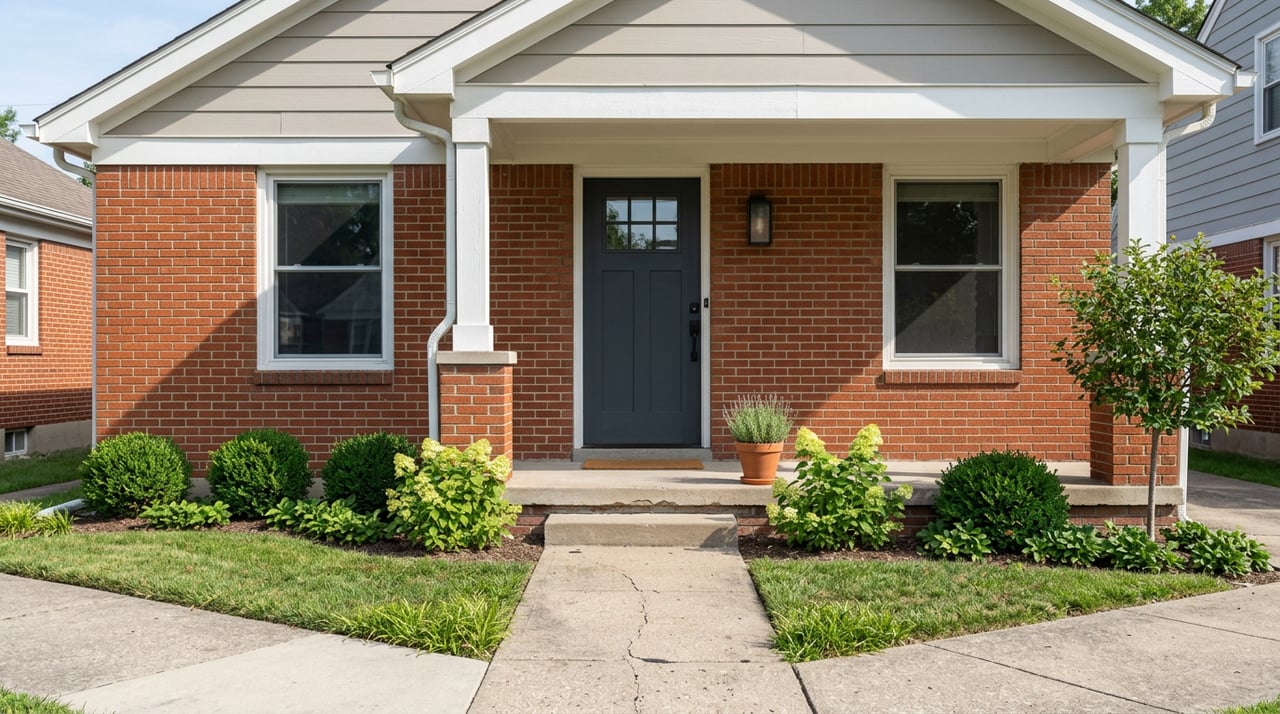
Madisonville is a long-established Cincinnati neighborhood with homes dating to the late 19th and early 20th centuries. You’ll come across Victorians, Craftsman bungalows, American Foursquares, and modest brick cottages. Many are updated, but age still matters when you look at systems and maintenance.
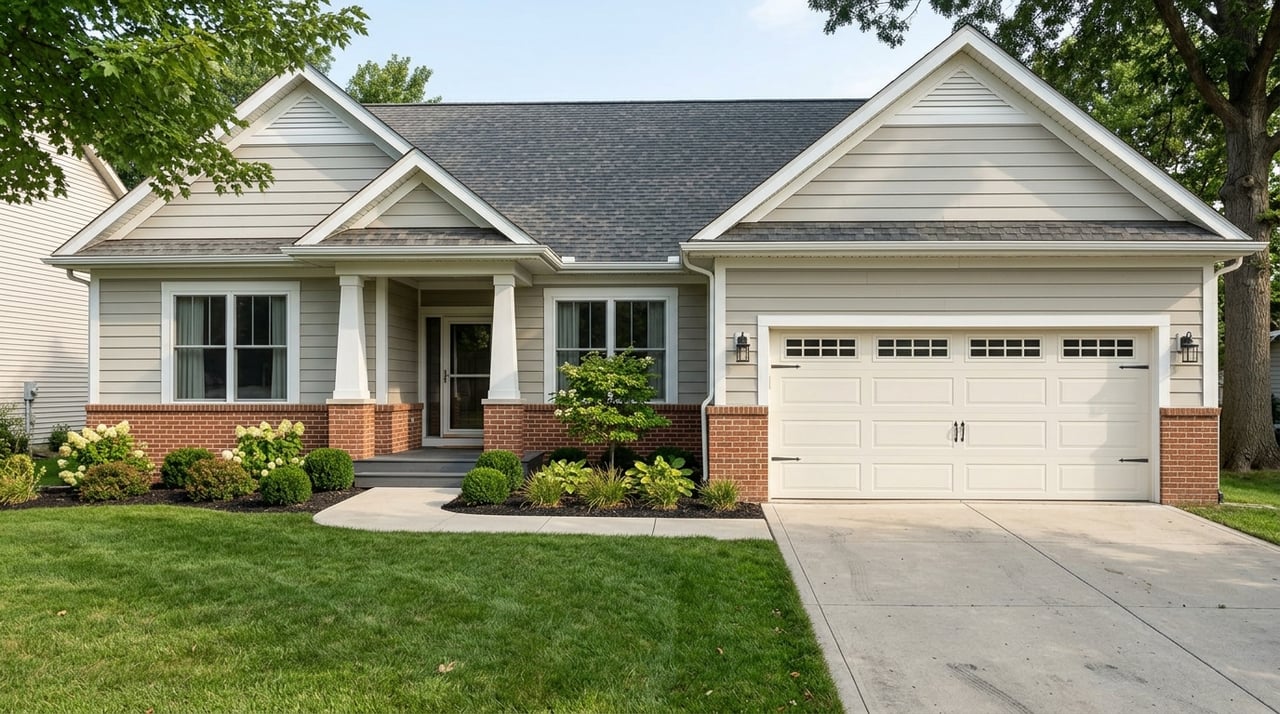
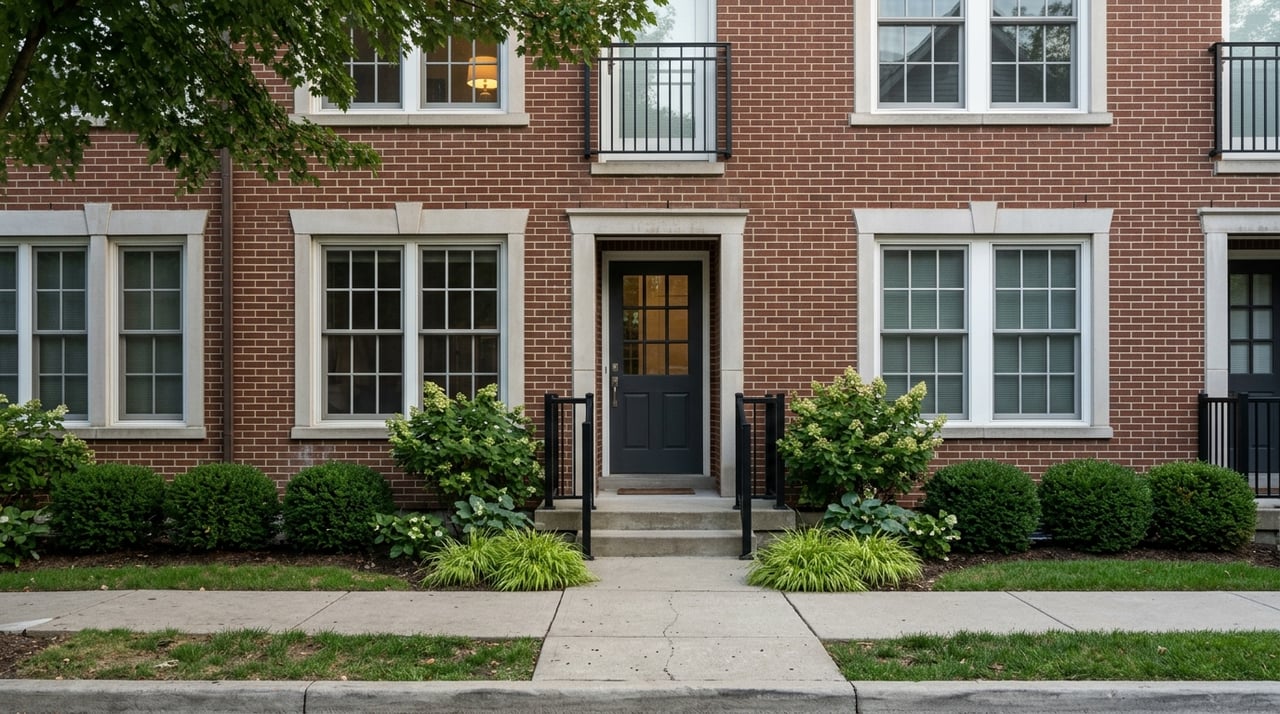
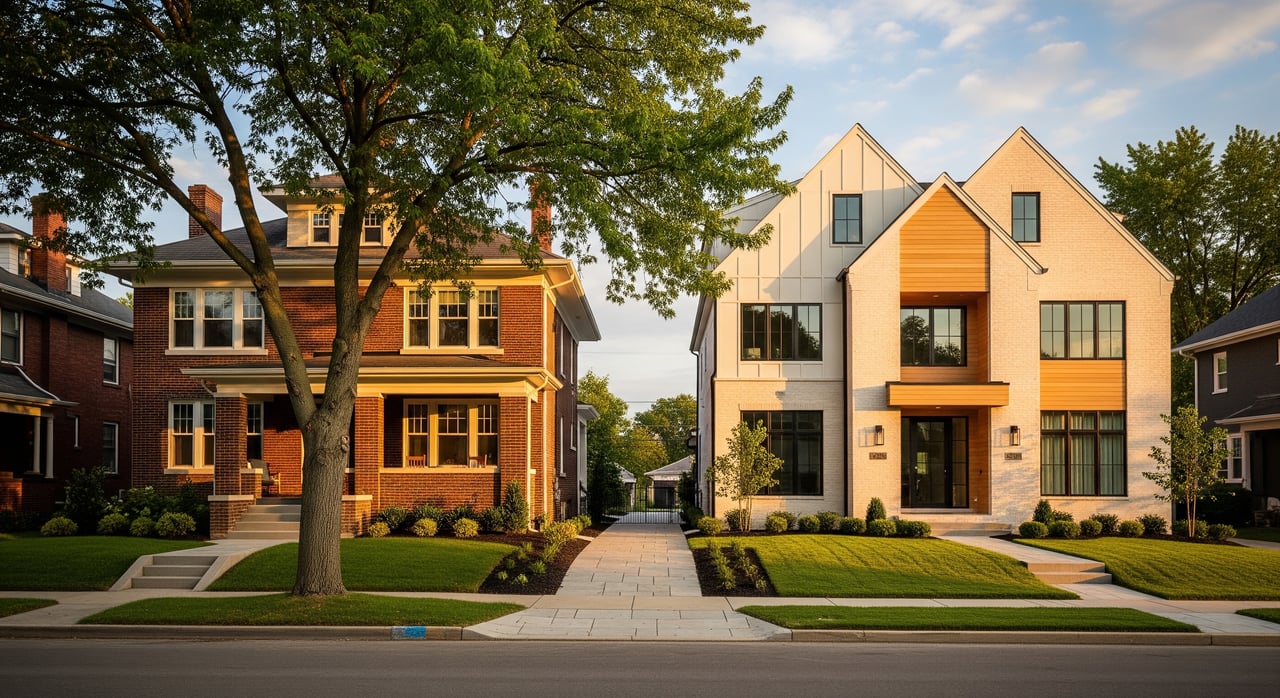
New construction shows up as infill single-family homes, modern townhomes, and small-lot redevelopments. Large subdivisions are less common inside the neighborhood, so new builds often sit beside older houses on tree-lined streets.
Lot sizes and parking vary. Older homes may have alleys or shared drives. New builds can have smaller yards and different setbacks. These details affect privacy, outdoor space, and daily convenience.
New builds vs older homes: quick compare
- Older homes: character, original materials, established blocks, possible deferred maintenance, and more segmented layouts.
- New builds: open layouts, new systems, builder warranties, lower near-term maintenance, and modern energy features.
Maintenance and near-term costs
Older homes: what to expect
Older homes can carry deferred maintenance. Roofs, windows, plumbing, electrical, and foundations may need attention. Hidden issues like water damage, outdated knob-and-tube wiring, or cast-iron sewer lines sometimes surface during inspections.
Plan for a higher maintenance budget. A common guideline is 1–4 percent of a home’s value per year, depending on age and condition. Period materials are beautiful but can be pricier to repair or match.
New builds: easier early years
New builds typically bring lower near-term costs because roofs, HVAC, water heaters, and windows are new and often under builder warranties. You may still manage punch-list items during the first year. Also watch for early settling, grading, and drainage needs as the lot finishes stabilizing.
Layout and daily living
Older homes: character and quirks
Expect distinctive trim, built-in cabinetry, and high ceilings. Older plans often separate living, dining, and kitchen spaces. Kitchens and baths can be smaller unless a prior remodel expanded them. Stair placement and narrow halls may limit how easily you can rework the layout.
New builds: modern flow
Open-concept spaces, larger kitchens, and en-suite primary baths are common. You’ll often find bigger closets, attached garages, and flexible rooms for work-from-home. Lot orientation and setbacks influence outdoor living and privacy, so check sun angles and fence potential.
Energy efficiency and health
Older homes: upgrade potential
Insulation levels can be lower, and windows may be older. HVAC systems might be less efficient. You can improve comfort with attic insulation, HVAC replacement, duct sealing, and smart thermostats. For homes built before 1978, lead-based paint is a risk, and pre-1980 homes may contain asbestos in certain materials. If you plan renovations, use proper testing and certified contractors.
New builds: code-compliant systems
New homes usually meet current energy codes and may include efficient appliances, LED lighting, modern insulation, and higher-performance windows. Some builders target programs like ENERGY STAR. New mechanicals typically mean lower utility use in the near term.
Price, financing, and resale
New builds often command a price premium per square foot because of new systems, design, and lower early maintenance. Infill lots in established neighborhoods can be especially pricey. That said, well-located older homes that are carefully renovated can sell strong because they combine character with updated function.
Financing is available for both paths. Conventional, FHA, and VA loans are common. For new construction not yet complete, a construction-to-permanent loan may apply. If an older home needs work, renovation loans like FHA 203(k) or Fannie Mae HomeStyle can bundle improvement costs into your mortgage.
Resale depends on what Madisonville buyers want at the time you sell. If the market leans toward historic character, a restored older home may perform well. If demand favors modern layouts and low maintenance, newer builds may move quicker. Your agent can show comps for both categories to set clear expectations.
Site and regulatory checks in Madisonville
Older homes: permits and infrastructure
- Verify permit history for major updates like electrical, HVAC, additions, and structural work. Unpermitted projects can affect financing and resale.
- If any historic designations apply, certain exterior changes may need approvals.
- Older sewer laterals made of clay or cast iron can be near end of life. A sewer scope is a smart move.
- Review any shared drive or alley access agreements and confirm code compliance.
New builds: compliance and drainage
- Confirm builder compliance with zoning, setbacks, and lot coverage rules.
- Ask for site drainage and grading details. New lots can settle, so confirm final grade directs water away from the foundation.
- If the property is in a small development, review HOA covenants, fees, and shared maintenance responsibilities.
Local risks to evaluate
- Flooding and basement moisture: older stormwater systems can affect certain blocks. Ask about past drainage or backup history and review flood risk data.
- Lead paint and asbestos: older homes may contain both. Test and abate with certified pros when needed.
- Parking and access: new infill can change on-site parking norms. Confirm where you can park daily and during snow or street cleaning.
Which path fits you
Use this quick self-check to steer your search:
- Lifestyle
- You love original details, walkable blocks, and you’re open to renovating over time. Lean older home.
- You want open layouts, modern systems, and minimal weekend projects. Lean new build.
- Budget and financing
- You can cover a new-build premium or have room for a renovation budget. Both paths are open.
- You have a tighter budget. Compare price per square foot plus realistic repair or upgrade costs.
- Time horizon
- Short term, 2–5 years. Move-in ready with low maintenance often wins.
- Long term, 7–15 years. Renovations can add value and personalize your home.
- Renovation tolerance
- Comfortable with contractors and phasing projects. Older homes are viable.
- Prefer turnkey. New builds fit best.
5-step financial checklist
- Get pre-approved and include either a renovation line item for older homes or a change-order cushion for new builds.
- Ask your agent for Madisonville comps for renovated older homes and for recent new builds to understand real price differences.
- Budget for inspections and specialist reports. Add a 10–20 percent contingency to any renovation estimate.
- Verify property taxes and insurance. Replacement-cost differences can affect premiums.
- Think ahead to resale. Ask about the likely buyer pool for both home types in Madisonville.
On-tour questions and inspections
Older homes: must-ask list
- How old is the home, and when were roof, HVAC, water heater, electrical panel, and sewer lateral last replaced?
- Any history of water intrusion, basement dampness, or mold? Request documentation.
- Were major renovations permitted? Ask to see permits or records from the city.
- Any known pest or termite history?
- Has lead paint or asbestos testing been done? Any abatement paperwork?
- Any foundation or structural repairs? Request engineer reports if available.
- Inspections to order or confirm:
- General home inspection
- Sewer scope
- Roof evaluation if not covered in the general report
- Electrical assessment for old wiring types and panel capacity
- Structural review if cracks or settling are visible
- Lead paint and asbestos testing if you plan renovations or have young children
New builds: must-ask list
- What warranties are included, and what are the start dates and coverage limits?
- Who is the general contractor or builder? Ask for references and recent projects.
- Do you have site drainage and grading plans? Has final grading been inspected?
- Any easements, shared access, or utility placements to know about?
- Are there HOA covenants, fees, and common area obligations?
- What is base price vs upgrade pricing? Request line-item allowances.
- Inspections to order or confirm:
- Third-party inspections at key stages and a pre-close inspection
- Code compliance verification and certificate of occupancy
- Independent walk-through to create a punch-list before final payment
- Optional radon and sewer scope, even for new lines
Buyer snapshots
- First-time buyer, moderate budget, limited free time: A newer or recently renovated home minimizes weekend projects and surprise repairs.
- Character seeker with patience for projects: An older home with solid structure can be a great canvas. Focus on location and core systems first.
- Downsizer prioritizing low upkeep: A new build or a fully updated older home offers simplicity and comfort without ongoing to-do lists.
Local resources and next steps
When you get serious about a specific property, pull public records from the Hamilton County Auditor for ownership history, assessed value, and lot dimensions. Check the City of Cincinnati’s building and permits records for past work and any open issues. Review Cincinnati Public Schools’ boundary maps for attendance zones if that matters for your move. For flood and drainage questions, consult FEMA flood maps and ask neighbors and sellers about local history.
Your agent can assemble Madisonville comps for both older homes and new builds, line up trusted inspectors, and coordinate specialist quotes. That way, you’re comparing true apples to apples.
Choosing between a new build and an older home in Madisonville isn’t about right or wrong. It’s about aligning your budget, lifestyle, and timeline with the home that will serve you best. If you want a side-by-side plan with clear costs, pros and cons, and on-the-ground comps, reach out to David Hirschman. Let’s connect and make a confident choice.
FAQs
What are the main cost differences in Madisonville between new builds and older homes?
- New builds usually have lower near-term maintenance but can carry a price premium. Older homes may cost less upfront but often need repairs or upgrades, so budget for inspections and a maintenance reserve.
How do layouts typically differ between Madisonville’s older homes and new construction?
- Older homes often have segmented rooms and period details, while new builds lean open concept with larger kitchens, en-suite baths, and flexible spaces for remote work.
Are new construction homes in Madisonville more energy efficient than older homes?
- Generally yes. New builds meet current energy codes and use newer systems and materials. Older homes can be upgraded with insulation, HVAC improvements, and better windows for improved comfort.
What inspections are most critical for older homes in Madisonville?
- A general inspection, sewer scope, roof and electrical evaluations, and structural review if needed. If the home predates 1978, consider lead paint testing, and for pre-1980 materials, consider asbestos testing.
What should I verify before closing on a new build in Madisonville?
- Confirm written warranties, code compliance, grading and drainage, any HOA covenants, and what is included as base vs upgrades. Order a third-party inspection and create a punch-list before final payment.