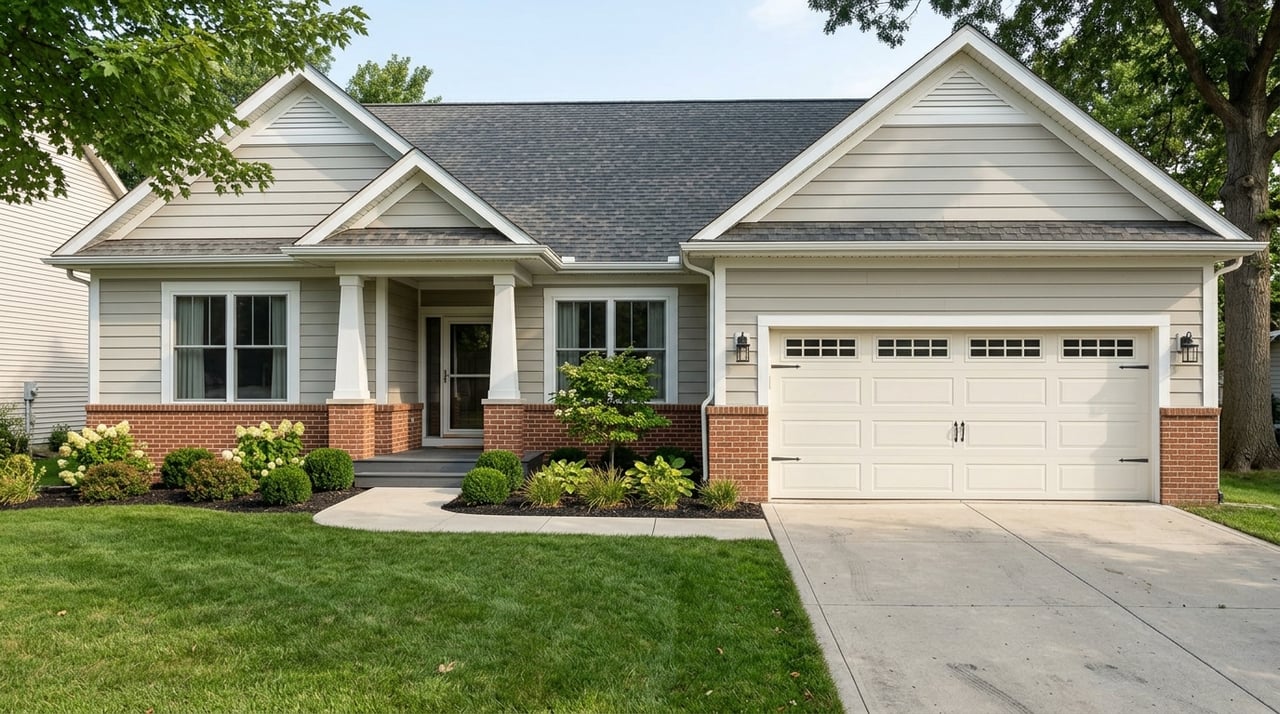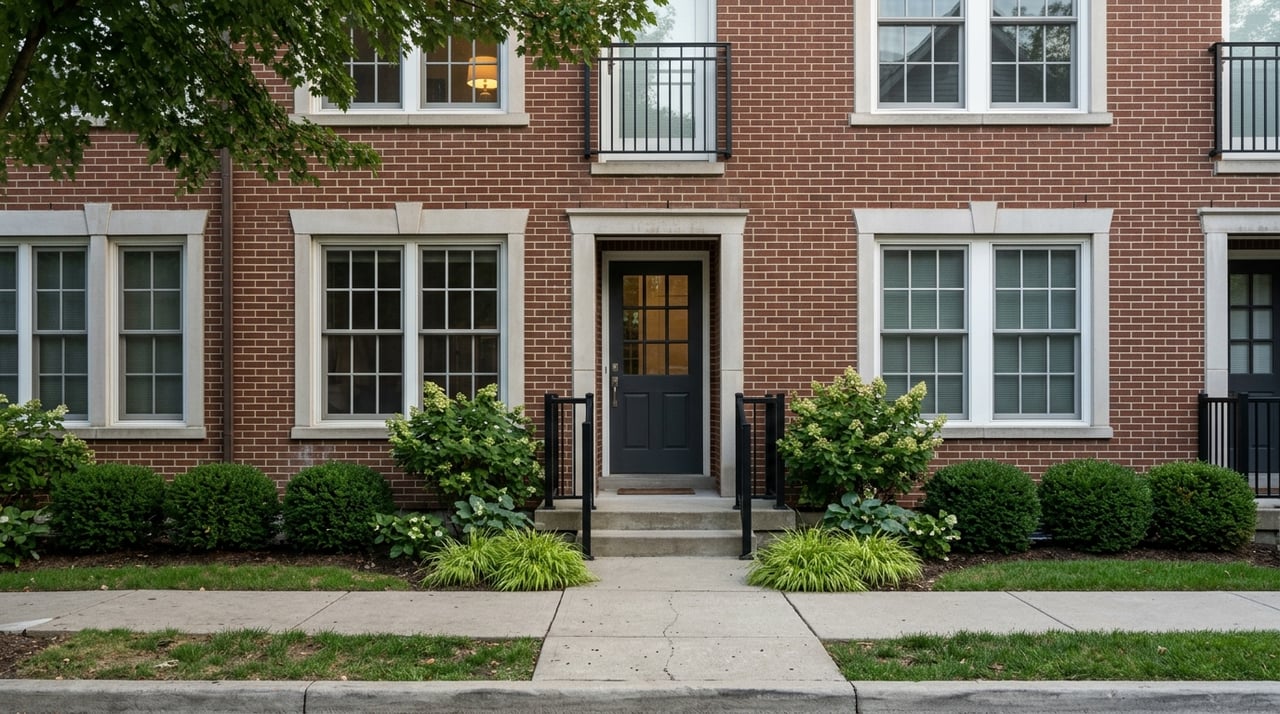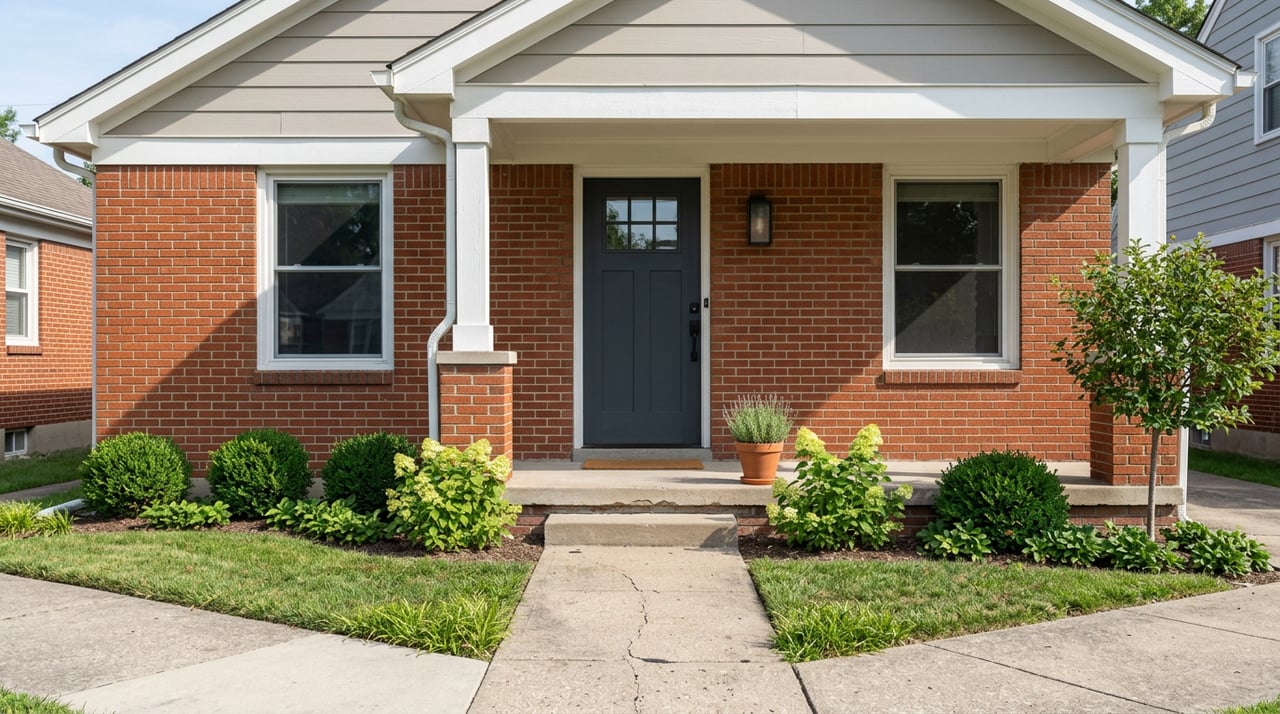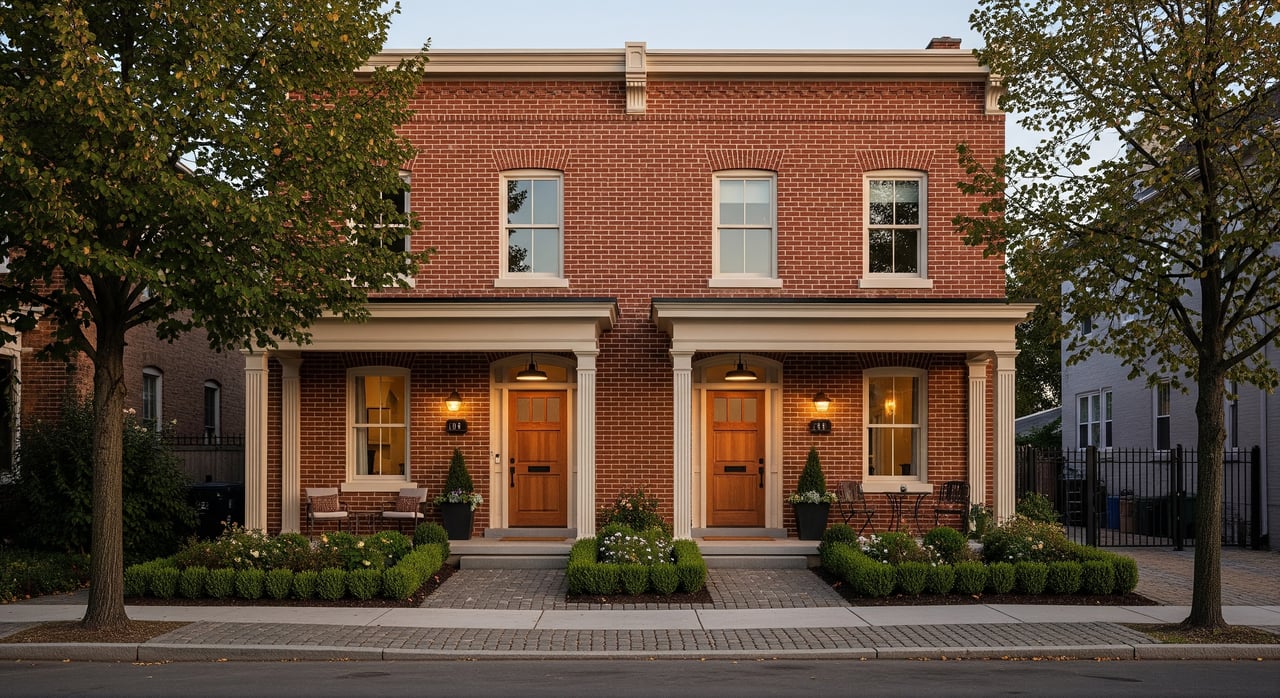
Want your housing costs to work for you instead of against you? House hacking in Northside, Hamilton can help you live in one unit while rental income from another unit offsets your mortgage and expenses. If you’re a first-time buyer or a homeowner exploring options, it’s a practical way to build equity and learn the rental game on a manageable scale.
In this guide, you’ll learn the most workable income strategies for a duplex or small multi-unit, how financing typically works for owner-occupants, the local rules to verify before you buy or convert, and a simple framework to run the numbers with confidence. You’ll also get a step-by-step checklist to keep your renovation and leasing on track. Let’s dive in.
What house hacking looks like in Northside
Live-in duplex or 2–4 unit
Buying a duplex or small multi-unit and living in one unit is the classic house hack. You collect rent from the other unit or units that can help cover your monthly mortgage and operating costs. You get separate entrances, clearer privacy, and a simpler management setup than renting rooms in your own living space.
Convert a home to two units or add an accessory unit
If zoning allows it, you can convert a single-family home to a legal duplex or add an accessory dwelling unit. This route can increase cash flow but usually comes with building-permit requirements and construction costs. You’ll need to plan for fire separation, safe egress, and utility capacity.
Rent-by-the-room or short-term rental
Some owners rent spare bedrooms on long-term leases or explore short-term rentals if local rules permit. Room-by-room setups can increase gross rent per square foot but involve more management. Short-term rentals may require local licensing and lodging taxes, so confirm the rules in Hamilton before you proceed.
Local rules to confirm in Hamilton
Zoning and permitted uses
Before you buy or convert, verify that the property’s zoning in the City of Hamilton allows a duplex or accessory unit. Ask about minimum lot size, parking, and any conditional-use or variance requirements if you plan to split a single-family home into two units. Do not assume a conversion is allowed just because similar homes nearby are duplexes.
Building code and safety
Converting or updating rental units triggers building code requirements. Plan for life-safety essentials: fire-rated separation between units, smoke and carbon monoxide detectors, proper egress windows for bedrooms, adequate ceiling heights, and safe stairs. Kitchens and baths must meet plumbing standards, and electrical systems should support additional appliances or HVAC.
Rental registration and inspections
Many Ohio cities have rental registration and inspection programs. Confirm with the City of Hamilton whether your rental must be registered, the inspection frequency, and what interior and exterior safety items are checked. If your property was built before 1978 and you plan renovations, factor in lead-based paint rules and disclosures as required by federal law.
Short-term rental rules
Short-term rentals are often regulated at the city level. Ask the City of Hamilton how short-term rentals are permitted, whether your specific zoning allows them, and what business licensing or lodging taxes apply.
Financing a duplex as an owner-occupant
FHA for 2–4 units and using rental income
FHA financing allows you to buy an owner-occupied 2–4 unit property with a low down payment for your primary residence. Lenders can often count a portion of expected rental income from the other unit or units when qualifying you. Expect to provide a signed lease or a market rent schedule to document income and ask your lender how much of that income they will use in underwriting.
Conventional and VA options
Conventional loans also finance owner-occupied 2–4 unit properties, though down payment and reserve requirements may differ from FHA. VA loans can be an option for eligible veterans who plan to live in one unit. Underwriting guidelines and documentation needs vary by program and lender.
Renovation loans to fund upgrades
If you’re converting or updating units, look into renovation financing such as FHA 203(k) or conventional renovation programs. These can roll purchase and rehab costs into a single loan, which helps with cash flow during construction. You can also consider a future cash-out refinance to recapture equity after improvements.
Underwriting rental income and reserves
Lenders typically require evidence of rent, such as a signed lease or market rent analysis. Many also require additional cash reserves for multi-unit properties. Ask your lender to outline how they treat rental income, what reserve levels they require, and whether separate utility meters are needed for underwriting.
Insurance and liability
Owner-occupied multi-unit buildings may need different coverage than a single-family policy. Speak with a local insurance agent about dwelling or landlord policies and consider an umbrella policy for added liability protection. If your building is in a flood-prone area, confirm whether flood insurance is recommended or required.
Run the numbers with a simple framework
Use this straightforward template to estimate performance before you write an offer.
- Gross rental income: Sum of monthly rent for all rental units
- Vacancy allowance: Plan for 5–10 percent of gross rent
- Operating expenses: Property taxes, insurance, utilities you pay, maintenance and repairs, property management, lawn/snow, advertising, legal/accounting, HOA fees (if any), and reserves
- Net operating income (NOI): Gross rent minus vacancy and operating expenses
- Cap rate: NOI divided by purchase price
- Cash-on-cash return: Cash flow after debt service divided by your total cash invested (down payment, closing costs, initial rehab)
- Debt coverage ratio: NOI divided by annual debt service
What to include in expenses
As a starting point, many owners model the following ranges, then refine with local quotes:
- Vacancy: 5–10 percent of gross rent
- Maintenance and repairs: 5–10 percent of gross rent
- Property management: 8–12 percent of collected rent if you won’t self-manage
- Capital expenditures reserve: Plan at least a few hundred dollars per unit per year and adjust for property age
Build sensitivity scenarios so you’re not surprised later. Test what happens if rent is 5 percent lower, your vacancy is 10 percent instead of 5, or insurance premiums increase.
Utilities and meters
Separately metered utilities make billing simpler. If utilities are shared, write clear lease language on how costs are handled and price the rent accordingly. Ask your lender and the City whether separate meters are required for the use you plan.
Find the right property in Northside
Where to source local info
Check the Greater Cincinnati-area MLS for active and recent duplex and 2–4 unit sales near Northside in Hamilton. The Butler County Auditor’s records can confirm building details, lot sizes, and current tax assessments. For rent expectations, compare current listings for similar bedroom and bath counts and consult a local property manager for validation.
Due diligence checklist before you offer
- Confirm zoning allows the current or planned use and whether parking requirements are met
- Estimate realistic rents using nearby comps for similar condition and bedroom count
- Price your vacancy, maintenance, and reserves using the ranges above
- Get contractor walk-throughs for any needed repairs or conversion work
- Ask your lender for a written preapproval that reflects multi-unit underwriting and any rental income they will count
- Verify whether rental registration or periodic inspections apply in Hamilton
- Review tax history with the Butler County Auditor and ask how a sale or improvements might affect assessments
What to look for in the building
- Separate entrances and lockable doors for privacy and security
- Safe egress windows for all sleeping rooms and compliant staircases
- Adequate electrical service and panel capacity for multiple kitchens and HVAC
- Plumbing and water heater capacity sized for multiple households
- Practical parking allocation and mail delivery setup
- Soundproofing opportunities: insulation in walls or ceilings improves tenant comfort
Converting a home: step-by-step
If you plan to create a second unit, use this checklist to organize the work.
- Zoning check: Confirm duplex or accessory unit permissions, parking minimums, and any conditional-use steps
- Permit plan: Line up building, electrical, plumbing, and HVAC permits before work starts
- Life safety: Install smoke and CO detectors, create proper fire separation, and confirm safe exits and bedroom egress
- Systems: Upgrade electrical panels, circuits, and outlets; plan plumbing and HVAC for comfort and reliability
- Layout and privacy: Design separate entrances where feasible and address sound transfer between units
- Environmental: If the home is older, follow federal lead-based paint disclosure rules and any remediation steps tied to funding
- Finish level: Focus on durable surfaces, updated kitchens and baths, and easy-to-clean flooring to improve rentability
- Budgeting: Get multiple bids and keep a 10–20 percent contingency for unknowns
Landlord basics in Ohio
Screening and leases
Use consistent, documented screening criteria that comply with fair housing rules. Income-to-rent ratios, credit and eviction history, and landlord references are common criteria. Always use a clear written lease that follows Ohio law and spells out utilities, maintenance responsibilities, notices, and security deposit terms.
Deposits, notices, and evictions
Ohio landlord-tenant law governs deposits, notices, and the eviction process. If you face nonpayment or lease violations, follow the required notice steps before filing through the local court. Keep careful records and communicate in writing to reduce misunderstandings and delays.
Risk management and common pitfalls
- Assuming a conversion is allowed without verifying zoning and building code
- Underestimating rehab scope, especially for egress, fire separation, and electrical capacity
- Overstating rent because you used dissimilar comps or ignored condition differences
- Skipping vacancy, maintenance, and capital reserve allowances in your model
- Relying on short-term rental income without confirming city rules and licensing
Partner with a local guide
House hacking can be a smart way to buy into Northside, Hamilton, but it pays to approach it like a small business: know the rules, get your financing dialed in, and run conservative numbers. A local advisor can help you identify viable duplexes, validate rents with current comps, introduce lenders who understand 2–4 unit underwriting, and connect you with contractors who know Hamilton’s permitting process.
If you want help finding a property, building a realistic plan, or prepping your home for a compliant conversion, reach out to David Hirschman. You’ll get clear, numbers-forward advice and the local connections to move from idea to keys.
FAQs
Is a duplex a good low-down-payment path in Northside, Hamilton?
- Yes, many owner-occupants use programs like FHA for 2–4 units, which can allow lower down payments and count a portion of rental income in qualifying; ask a lender for specifics.
How much rent can I expect to collect in Northside?
- Start with nearby listings for similar unit sizes and condition, then validate with a local property manager; always model a vacancy allowance of 5–10 percent.
Can I convert my single-family home into two units in Hamilton?
- Maybe; it depends on zoning and building code, plus parking and life-safety requirements; confirm with the City and plan your permits before starting work.
Do I need to live on-site for house-hacking loans?
- Many owner-occupant programs expect you to live in the property as your primary residence for a set period; your lender can explain the exact requirements.
What are the biggest risks with house hacking in Northside?
- Unexpected rehab costs, underestimating expenses, vacancy or turnover, and local limits on short-term rentals; mitigate these by verifying rules and building a conservative budget.
How long until rent covers most of my mortgage?
- Use the framework above: estimate gross rent, subtract vacancy and expenses, then compare to your loan payment; stress test with lower rents or higher costs to set realistic expectations.