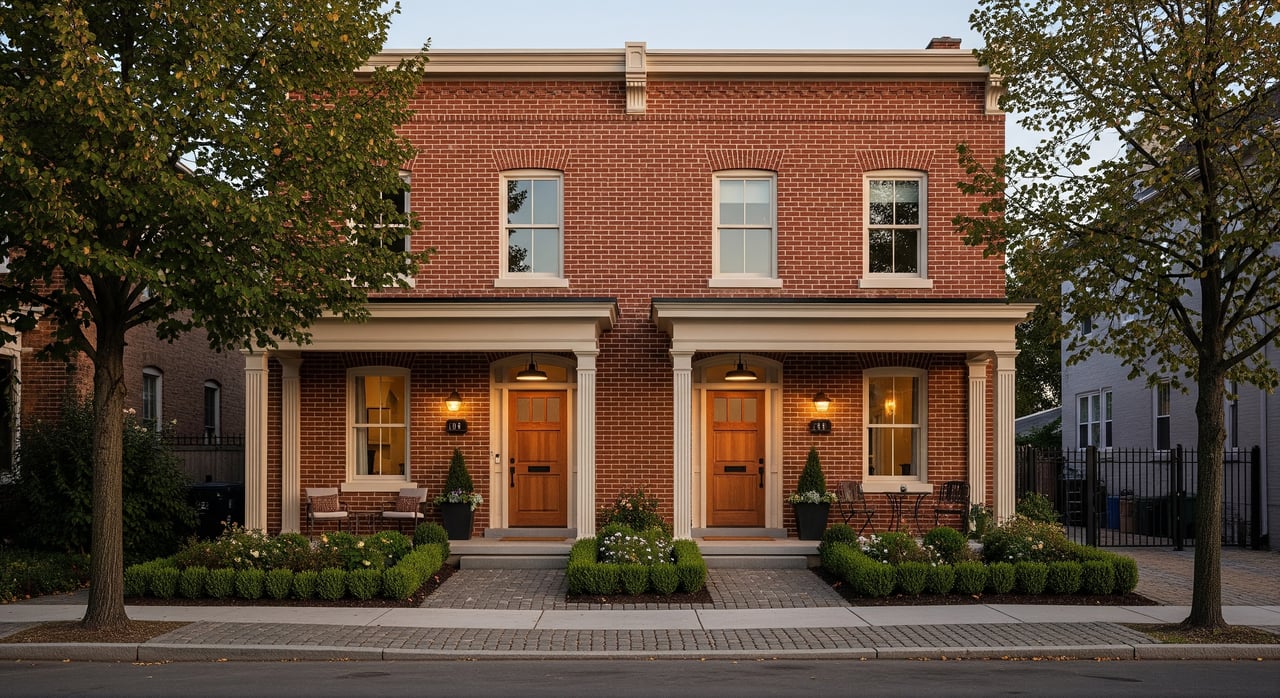
Buying your first home in Pleasant Ridge and not sure how earnest money works? You are not alone. That small deposit can help you win a house, but it also ties up real cash, so you want to use it wisely. In this guide, you will learn what earnest money is, what is typical in Pleasant Ridge, how refunds and escrow work, and how to strengthen your offer without taking on too much risk. Let’s dive in.
What earnest money means in Ohio
Earnest money is a buyer’s good‑faith deposit that accompanies your offer. It tells the seller you are serious and gives them confidence to take the home off the market while you work through contingencies. If the sale closes, the deposit is usually applied to your down payment or closing costs.
For sellers, the deposit reduces the risk that a buyer walks away without a valid reason. For you, it helps secure contingency protections such as inspection, financing, title, and appraisal. Whether you get a refund depends on the exact contract language and the contingencies you include and follow. In Ohio, brokers and title companies must follow trust‑fund rules for holding deposits, and standard purchase contracts used in the Cincinnati area spell out the amount, deadlines, and dispute steps.
Pleasant Ridge norms: amounts, timing, holder
Who holds your deposit
In Greater Cincinnati, the escrow holder is often the title company or the listing broker’s trust account. Your purchase contract will name the escrow agent specifically. Buyer’s brokers can hold funds as well, but that is less common.
How much buyers put down
Local practice varies by price point and competition. You will commonly see:
- Modest or low‑competition offers: flat deposits around $500 to $2,000.
- Typical offers: $1,000 to $5,000, sometimes roughly 1 percent on lower‑priced homes.
- Competitive situations: higher deposits, often $5,000 to $10,000 or more to signal seriousness.
These are approximate ranges. The right number for you depends on the home, inventory pressure, and the seller’s expectations.
When you must deliver funds
Many contracts require delivery within 24 to 72 hours after both parties sign the contract. The deadline will be written into your offer. Some escrow holders accept a copy of the signed check or wire confirmation as initial proof, followed by physical delivery or confirmed receipt.
Acceptable forms of deposit
Personal check, certified or cashier’s check, and wire transfer are common. Some sellers or brokers prefer cashier’s checks or wires for speed. Always follow the escrow agent’s instructions and verify wiring details by phone using a trusted number to avoid fraud.
What your contract will say
Your offer will state the deposit amount, the escrow agent, the delivery deadline, and the contingencies that make the deposit refundable. It will also describe how funds are disbursed and what signatures or orders are required to release money.
How escrow, refunds, and disputes work
How escrow accounts operate
The named escrow agent holds your deposit in a trust account until closing or until a release is authorized. Brokers and title companies must follow accounting and recordkeeping rules and cannot commingle trust funds with operating money.
When you typically get a refund
Refunds are generally available if you exercise a written contingency within the allowed time and in the manner the contract specifies. Common examples include canceling during the inspection period or terminating after a lender denial when a financing contingency applies. Use the exact notice method and deadlines in your contract, and keep proof of delivery.
When a seller may keep it
If a buyer breaches the contract without a valid contingency, the seller may be entitled to keep the deposit as liquidated damages. Enforceability depends on the agreement’s language and Ohio law. Many contracts require mediation, arbitration, or a court order before funds are released when there is a dispute.
How disputes are resolved
Standard forms often direct the escrow agent to hold funds until both parties sign a written release or a neutral third party or court orders disbursement. Buyers and sellers can resolve issues by mutual agreement, mediation, arbitration, or litigation. Until there is agreement or an order, funds typically stay in escrow.
Practical protections to build in
- Put contingency deadlines and refund terms in writing with clear dates.
- Send notices exactly as the contract requires and keep copies and delivery proof.
- If a disagreement arises, consult your agent and consider an attorney. Do not authorize disbursement without a written agreement or order.
Strengthen your offer without overcommitting
Strengthen financing credentials
Provide a strong pre‑approval from a reputable local lender. Include proof of funds for your deposit and down payment. If possible, show that you can close quickly. This raises seller confidence, although pre‑approval is not a final loan approval.
Tighten timelines, keep protections
Shorten the inspection period to 5 to 7 days if you can schedule vendors quickly. Tighten appraisal or financing deadlines only if your lender can realistically meet them. Faster timelines show momentum but leave less time to react, so plan your calendar.
Use a right‑sized deposit
Consider moving from a minimal number to a competitive Pleasant Ridge amount, such as $1,000 to $5,000 for typical situations or more for heated competition. A larger deposit signals seriousness, but make sure it fits your cash position and risk tolerance.
Consider an appraisal gap, with limits
If you are comfortable, offer to cover a specific portion of any appraisal shortfall rather than waiving the appraisal contingency. This helps the seller manage appraisal risk while you cap your exposure.
Keep inspection, limit repair risk
Instead of waiving inspection, use a repair cap or focus on health, safety, and major systems. This retains a contingency while telling the seller you will not nickel‑and‑dime small items.
Smart escalation and flexible terms
Use an escalation clause that increases your offer a set amount above a competing bona fide offer up to a cap. Require proof of the competing offer. Consider a closing date or occupancy timeline that matches the seller’s needs.
Tactics to use with caution
- Waiving inspection can be high risk and may put your deposit at stake if you later back out for condition reasons.
- Waiving financing is only appropriate if you have cash or true lender certainty.
- Submitting minimal contingencies when you are unsure about condition or financing can backfire.
A balanced first‑time buyer plan
Many Pleasant Ridge first‑time buyers find success by pairing a stronger but affordable deposit, a tight inspection timeline, a solid pre‑approval, and one seller‑friendly term such as flexible closing. If appraisal risk is a concern, add a modest appraisal‑gap cap rather than removing protections.
Step‑by‑step checklist for Pleasant Ridge buyers
Before submitting an offer
- Get a written pre‑approval, not just a prequalification.
- Discuss local deposit norms with your agent for your price point.
- Prepare proof of funds for your earnest money and closing.
- Ask the listing agent about seller expectations on deposit size, timing, and preferred escrow agent.
At offer time
- Name the escrow agent and deposit deadline clearly in your contract.
- Spell out inspection, appraisal, and financing contingencies with dates and notice methods.
- If wiring funds, add a verification step. Never rely on wiring instructions from email alone.
After acceptance
- Deliver the deposit on time and keep receipts or wire confirmations.
- Calendar all contingency deadlines and schedule your inspection immediately.
- Send any termination or request notices in writing before deadlines and save proof.
If a dispute arises
- Do not authorize release of funds without mutual written agreement or a court order.
- Loop in your agent and consider legal counsel. Follow the dispute clause in your contract.
Wire‑fraud prevention
- Verify wiring instructions directly with the escrow or title company by phone using a known number.
- Confirm recipient name and account details, and use secure portals when available.
- Consider a cashier’s check or in‑person delivery if recommended by your agent or escrow holder.
Ready for local guidance?
Your deposit should work for you, not against you. With the right amount, clear contract terms, and a smart offer strategy, you can compete in Pleasant Ridge while protecting your cash. If you want a second set of eyes on your plan or help drafting a clean, competitive offer, connect with David Hirschman for practical, neighborhood‑savvy guidance.
FAQs
What is earnest money in an Ohio home purchase?
- It is a good‑faith deposit submitted with your offer that the escrow agent holds and applies to your closing costs or down payment if the sale closes.
How much earnest money is typical in Pleasant Ridge?
- You will often see $1,000 to $5,000 for typical offers, lower flat amounts for modest situations, and higher deposits in competitive cases, with the exact number driven by price and demand.
Is earnest money refundable if my financing falls through?
- If you included a financing contingency and follow the contract’s notice and timing rules, you are typically entitled to a refund after lender denial.
Who holds the earnest money in Cincinnati‑area deals?
- Usually a title company or the listing broker’s trust account, as named in your purchase contract.
How fast do I need to deposit earnest money after my offer is accepted?
- Many contracts require delivery within 24 to 72 hours after acceptance, with the exact deadline stated in your agreement.
How can I make a stronger offer without risking my deposit?
- Combine a competitive but affordable deposit, strong pre‑approval, a shortened inspection window, and seller‑friendly terms like flexible closing or a modest appraisal‑gap cap.