Is your Mariemont or Terrace Park home full of character and history, but you’re not sure how to position it for today’s buyers? You’re not alone. Historic and older homes attract strong interest, yet they also come with unique questions about permits, maintenance, and disclosures. In this guide, you’ll learn how to prep, price, and market your home’s story while staying compliant and confident. Let’s dive in.
What “historic” means locally
Selling in these two villages is a little different, and that’s a selling point when you know the rules.
Mariemont: landmark status and design review
Mariemont is a designated National Historic Landmark, recognized for its village plan and architecture. You can reference the formal documentation to highlight significance and walkability in your listing using the National Park Service’s nomination materials. Review the village’s National Historic Landmark documentation to ground your home’s story.
Mariemont also maintains local design guidelines. Exterior changes in the historic district are subject to review, and many projects require approval from the Architectural Review Board (ARB). Before you promise any exterior updates in your listing, review the Village of Mariemont design guidelines and check the ARB’s meeting schedule and submittal process. The ARB meets on a monthly cycle, so plan timelines around that calendar.
Terrace Park: document the story and confirm permits
Terrace Park has a strong local history culture. Use the Terrace Park Historical Society and the street‑by‑street Terrace Park Building Survey to confirm dates, styles, and any noteworthy past owners or renovations. These resources help you build a credible narrative and answer buyer questions.
While a single historic design review code page was not identified during research, do not assume there are no requirements. Before committing to exterior work or language about permitted changes, confirm permit or review needs with the Terrace Park Village Office or rely on your listing agent to verify current rules.
Prep your home and its story
The goal is authenticity. Showcase original features, own any age‑related items, and deliver clean documentation to build trust.
Build a features inventory
Walk room by room and note the period elements you want to feature: built‑ins, original millwork, leaded or stained glass, mantels, plaster details, stair newel posts, and historic landscaping. Verify dates and provenance when you can, using the Terrace Park Building Survey or archives from the Mariemont Preservation Foundation. Aim to highlight three historic details in your listing copy.
Create a systems and work packet
Buyers will ask about mechanicals and maintenance. Pull together a folder with dates, permits, contractor names, invoices, and warranties for the roof, HVAC, electrical, plumbing, foundation work, and any structural items. Organized documentation reduces renegotiation.
Consider a seller pre‑inspection
With older homes, a targeted pre‑listing inspection can surface likely buyer concerns early. You can decide whether to make repairs, disclose and price accordingly, or share the report to shorten buyer uncertainty. This is a common strategy for character homes.
Tackle easy safety and repair wins
Address small issues that punch above their weight: secure loose handrails, test smoke and CO detectors, fix visible leaks, clean gutters, and replace burnt‑out bulbs. These items show up on many reports and are fast to resolve.
Photography and media that sell character
Quality visuals can be the difference between a quick offer and weeks of showings.
Hire the right photographer
Look for a real estate photographer who understands older homes and detail shots. Professional images improve click‑through and shorten days on market. For higher‑end or unique listings, consider a 3D tour to help out‑of‑area buyers; the case for professional imagery is outlined in this Matterport overview on pro vs. DIY real estate photos.
Build a shot list
Prioritize these images:
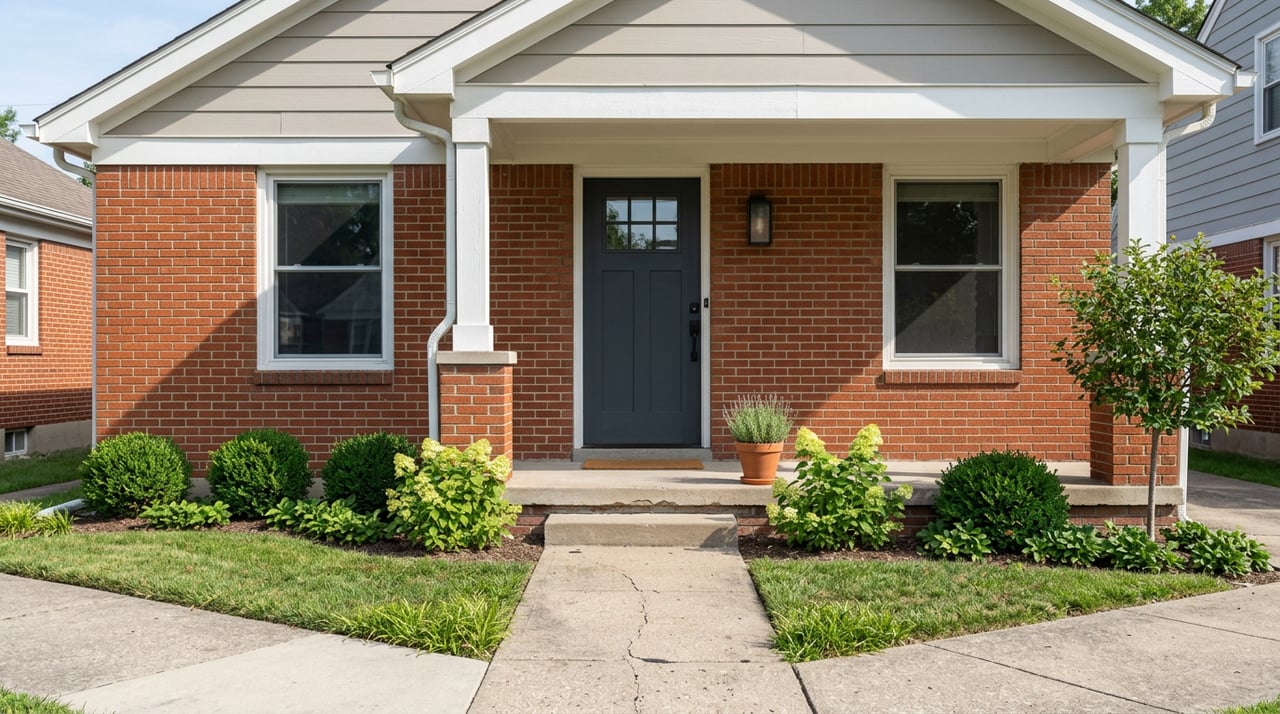
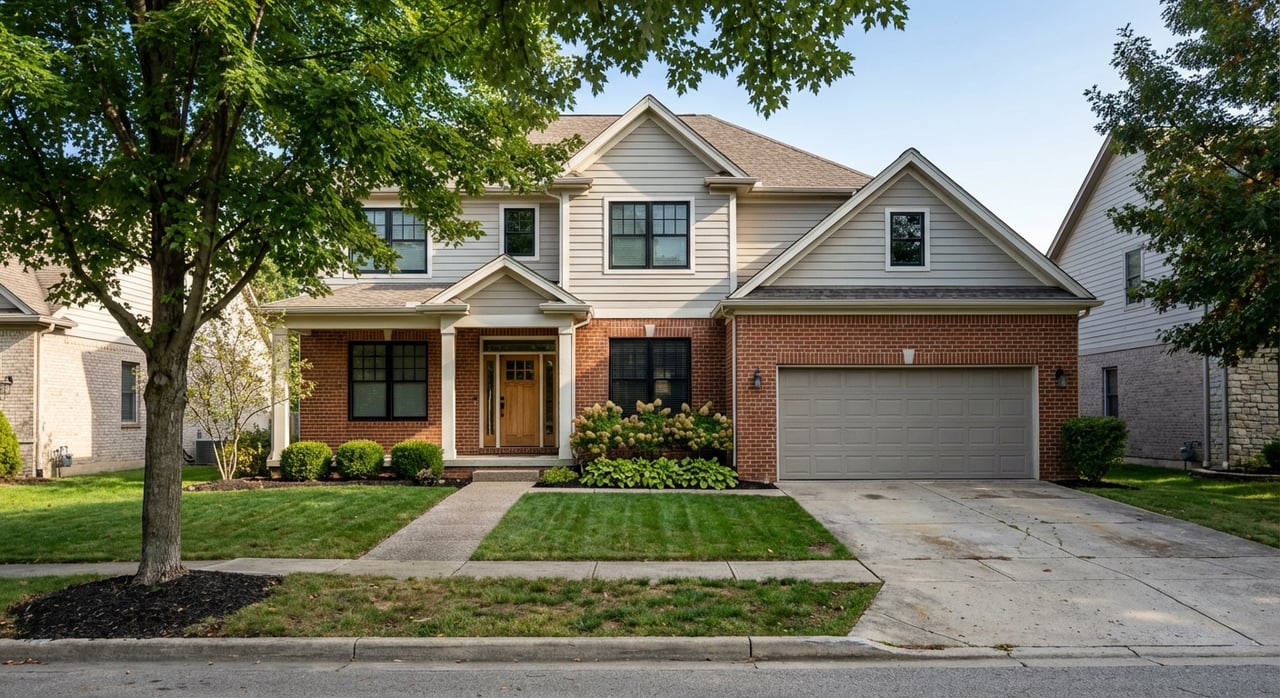
- Front elevation and streetscape to show village context
- Main living spaces and kitchen
- Principal bedroom and one representative bathroom
- Closeups of special features like fireplaces, stained glass, or original hardware
- Outdoor rooms, gardens, and any notable landscape elements
- A measured floor plan with dimensions for clarity
Stage for period charm
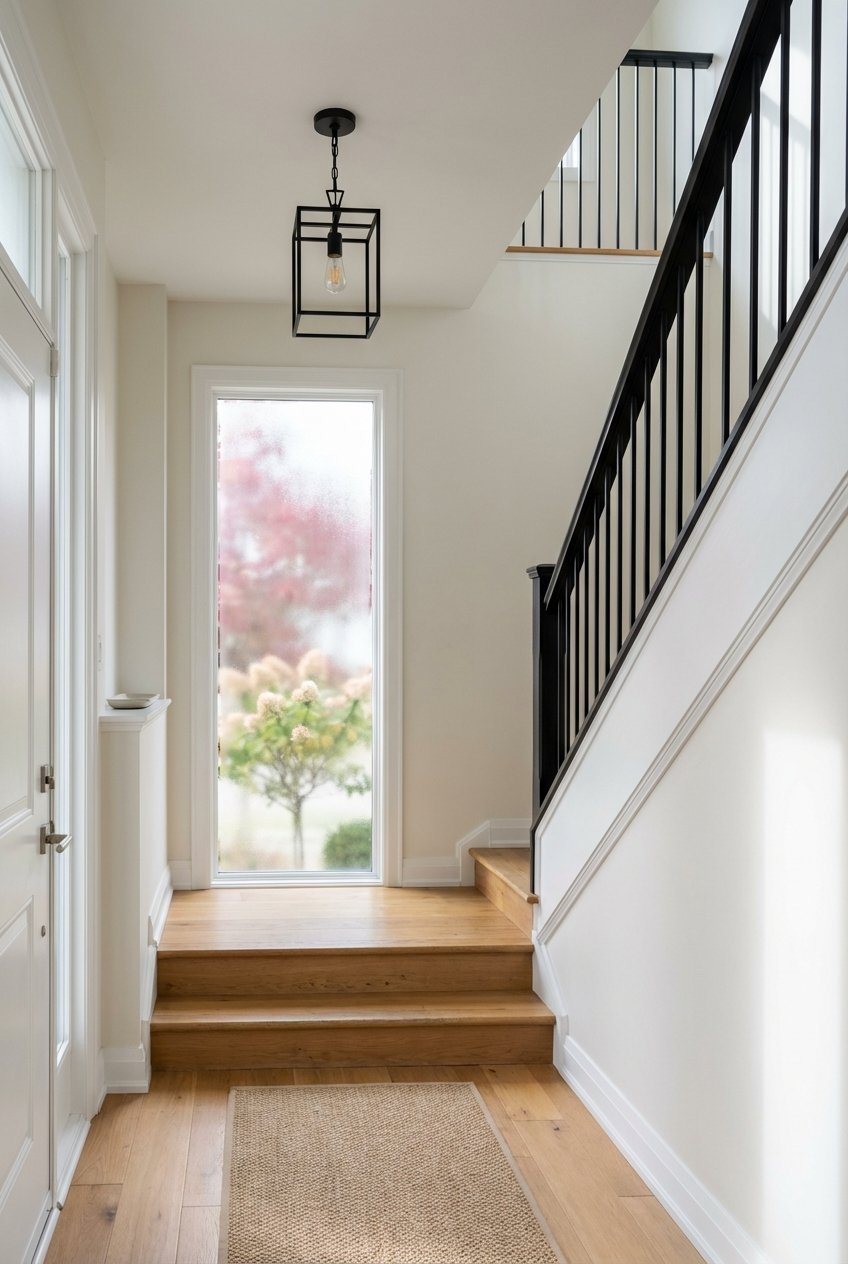
Keep original elements visible. Use neutral furnishings to show scale without competing with woodwork or tile. Consider adding one or two closeup insets in the online gallery with captions such as “original quarter‑sawn oak newel, c. 1924, refinished 2011.” Small context notes help buyers appreciate authentic details.
Inspections, disclosures, and buyer questions
Older homes stand tall when you prepare for the right conversations.
Understand the lead‑based paint rules
If your home was built before 1978, federal law requires specific disclosures. You must provide buyers with the EPA/HUD pamphlet “Protect Your Family from Lead in Your Home,” disclose known lead‑paint information, and share any records or reports. Buyers are also entitled to a testing opportunity. Review the EPA’s lead disclosure fact sheet to stay compliant. If any paint‑disturbing work is planned, hire RRP‑certified contractors and keep their certificates on file.
What inspectors focus on in older homes
Expect attention on:
- Electrical: older panels, knob‑and‑tube, or aluminum branch wiring
- Roofs, gutters, chimneys, and flashing for water intrusion
- HVAC age and service records
- Plumbing: galvanized supply lines, cast‑iron drains, and active leaks; sewer scopes are common
- Foundations and moisture, plus wood rot at porches and window sills
- Windows: historic sash conditions and any evidence of deferred maintenance
- Wood‑destroying insects: many lenders request a WDI report
Decide in advance where you will repair, where you might offer a credit, and what you prefer to sell as‑is. Clear documentation supports stronger pricing regardless of approach.
Pricing and timing in Mariemont and Terrace Park
Small, high‑demand villages can see month‑to‑month swings because there are only a handful of sales at any given time. Major real estate portals often show Mariemont medians in the high‑600s to mid‑700s and Terrace Park around the mid‑700s, with individual properties ranging higher based on updates and size. Treat these as directional, not definitive. Your agent should validate with recent, age‑ and condition‑matched comps.
How to price with confidence
- Focus on comparable homes of similar age, style, and condition.
- Highlight documented, permitted updates like a new roof, HVAC, or electrical upgrades. These reduce perceived risk and support higher offers.
- Be transparent about older systems you are not updating and reflect that in the price strategy or credits.
Map your timeline
- Pre‑list prep: 2 to 6 weeks, depending on repairs, staging, and photographer schedules.
- Exterior work in Mariemont: if ARB approval is needed, plan around a monthly meeting cadence. Check the ARB page for deadlines.
- Buyer contingencies: inspection windows often run 7 to 14 days and may include specialty inspections. Build in time for chimney, sewer, structural, or environmental checks if your home’s age suggests they are likely.
Local resources and preservation guidance
Lean on verified local sources to answer buyer questions and enrich your listing narrative.
- Mariemont historical status and design review: Mariemont design guidelines and ARB process and meetings.
- Village history and archives: Mariemont Preservation Foundation for local photos and background.
- Terrace Park property histories: Terrace Park Historical Society and the Terrace Park Building Survey.
- Lead disclosure requirements and RRP rules: EPA lead disclosure fact sheet.
- Considering a major rehab or income‑producing conversion: review the State’s Ohio Historic Preservation Tax Credit program guide. Note that large tax credit programs are generally aimed at income‑producing projects, not typical owner‑occupied homes.
Your 5‑step action plan
- Pull together records for updates, permits, warranties, and contractor contacts.
- Order a targeted pre‑listing inspection and a WDI report if the home is older.
- Contact the village office to confirm any permit or design‑review needs for planned exterior work.
- Book a photographer who can capture period details, and order a measured floor plan.
- Use local archives to write a two to three sentence provenance note for your listing.
Ready to list with a plan that respects your home’s character and maximizes market reach? Partner with a local advisor who knows the villages, can validate pricing with current comps, and will manage the moving pieces from prep through closing. If you’re considering a sale in Mariemont or Terrace Park, let’s talk about a tailored strategy for your property. Connect with The Cincinnati House Hunter to get started.
FAQs
What approvals do I need for exterior changes in Mariemont?
- Many exterior projects in the historic district require ARB review; check the Mariemont design guidelines and the ARB schedule and process early in your planning.
Does Terrace Park have historic design review like Mariemont?
- A single municipal design‑review code page was not identified in research; confirm current exterior permit or review requirements directly with the Terrace Park Village Office before committing to any work.
Do I have to disclose lead‑based paint when selling an older home?
- Yes, for homes built before 1978 you must provide the EPA/HUD pamphlet, disclose known lead information, and share any records; see the EPA lead disclosure fact sheet for details.
Should I get a pre‑listing inspection for a historic home?
- Pre‑inspections are commonly recommended for older homes to surface issues early, guide repairs or credits, and reduce buyer uncertainty during negotiations.
How long could ARB timing add to my listing prep in Mariemont?
- The ARB follows a monthly meeting cycle, so plan several weeks for submittal, review, and any follow‑up before scheduling exterior work.
What do buyers usually ask about with older systems?
- Expect questions on electrical panels and wiring type, roof age and leaks, HVAC service records, plumbing materials and sewer lines, foundations and moisture, and window condition.